Origins and history
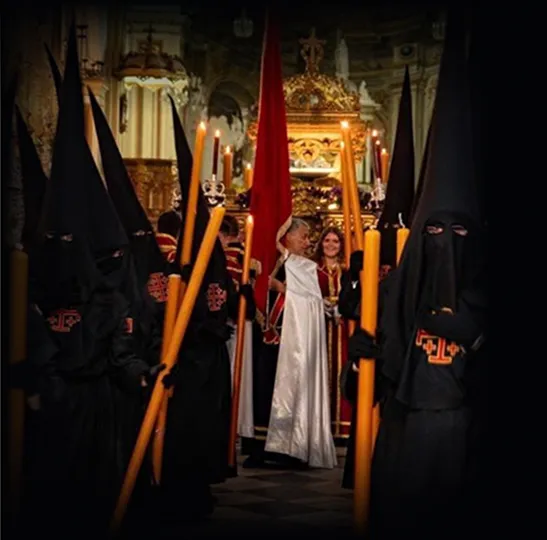
In its origins, the concept of establishing and organising corresponds to two specific realities: assisting those in need and helping members of a guild or trade. Thus, two types of brotherhoods emerged: charitable and trade-based.
The Origins of the Brotherhoods in Cuevas del Almanzora
In the case of Cuevas del Almanzora, it is believed that the first brotherhoods were established purely for reasons of mutual aid and hospitality towards the community. Thus, in an extensive document referring to the Cofradía del Santísimo Sacramento dated 31st April 1789, it is stated: “The alms given by the brothers, whether freely, without being prompted by public demand, shall be invested in the needy, the sick and the imprisoned, and in the event that it is deemed appropriate at any time to ask for alms, this shall be communicated to the board of members, to the justice of the same Villa de las Cuevas, so that with this, with awareness of the urgency, it may be determined whether or not to ask.”
The document also shows us that brotherhoods were already well established in the 18th century. This is not surprising when we consider that Cuevas del Almanzora was, since ancient times, the religious and cultural centre of the province, always under the tutelage of institutions run by different ecclesiastical orders. There is evidence that a community of Franciscans was already established in the town in the 17th century, followed by the Dominicans and the Brothers of Saint John Baptist of La Salle. This suggests that the seeds of Catholicism soon flourished in the soul of its inhabitants.
The current available documentation does not allow us to specify the exact date of the establishment of all the brotherhoods that have existed over time and have been formed throughout the history of this display of popular religiosity that is Holy Week. Nevertheless, based on Gil Albarracín's research, it can be stated that the following brotherhoods were established in Cuevas del Almanzora: Cofradía del Santísimo Sacramento (first half of the 18th century), Cofradía de las Ánimas (late 17th century), Cofradía de Nuestra Señora del Rosario, Venerable Escuela de Cristo (founded in 1690), and Hermandad del Cristo de la Preciosa Sangre. Before these were dissolved, some of those that exist today had already been founded in the same 18th century. In fact, the Cofradía de Jesús Nazareno is the heir to that of the Santísimo Sacramento, and that of Los Dolores to that of Nuestra Señora del Rosario.
Gallery
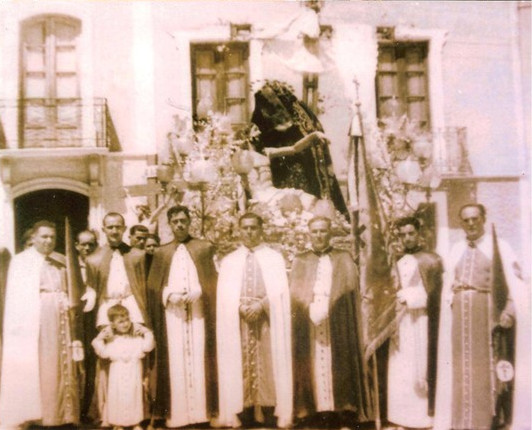
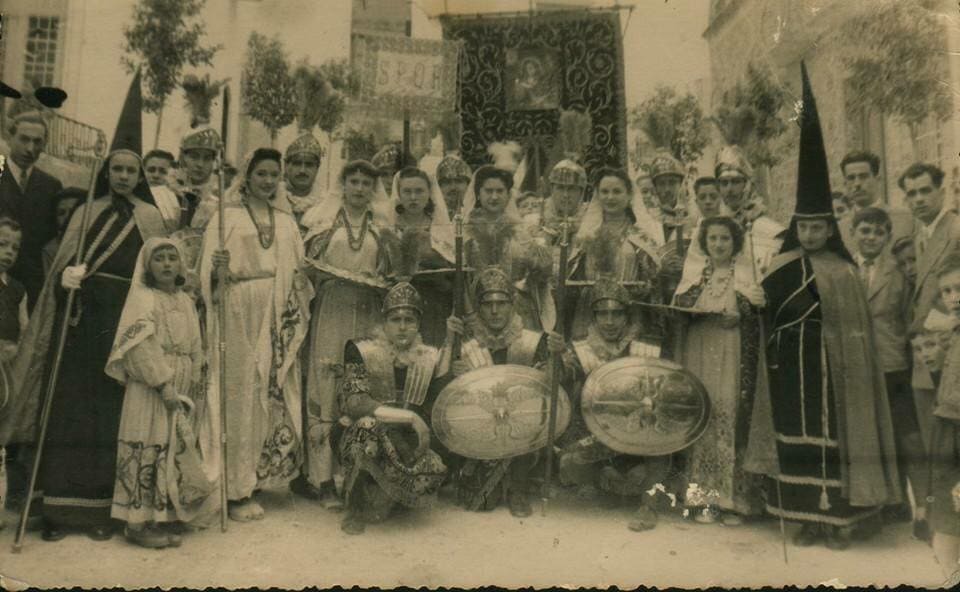
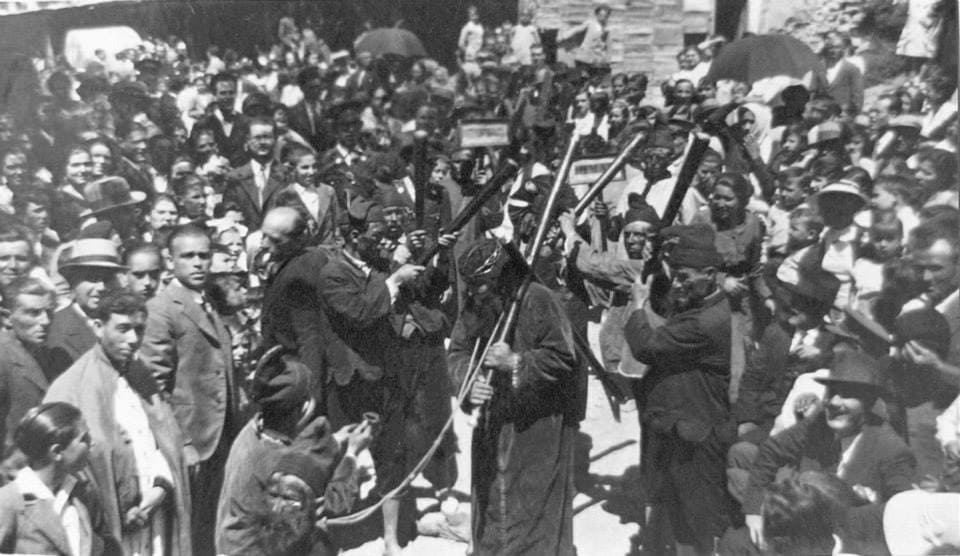
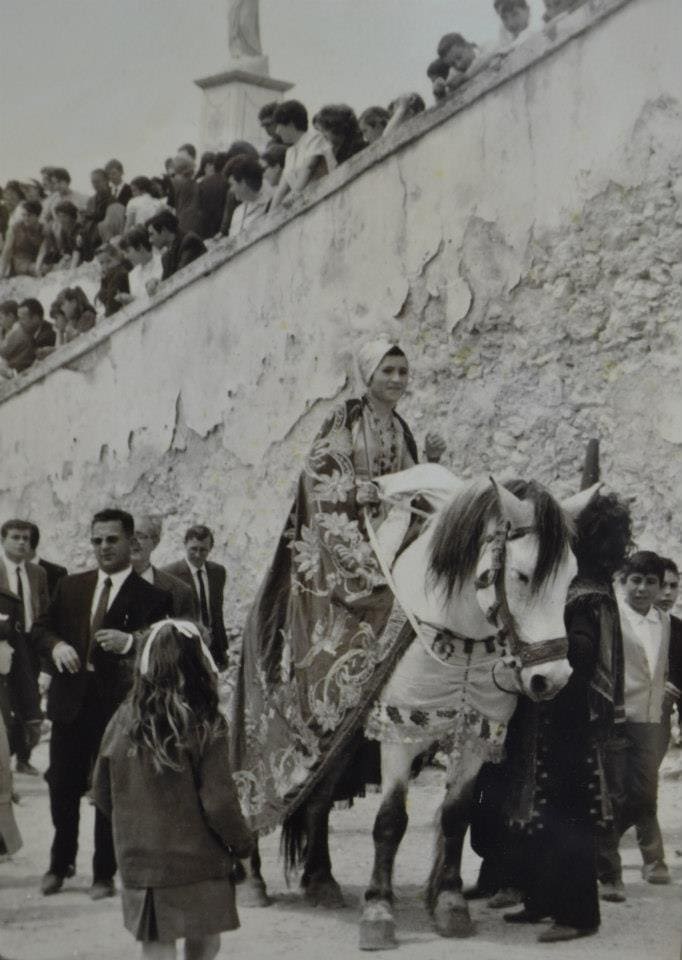
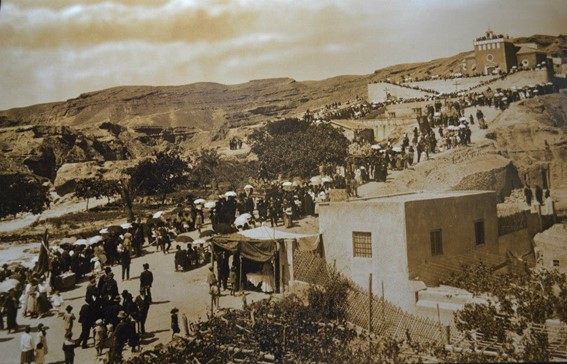
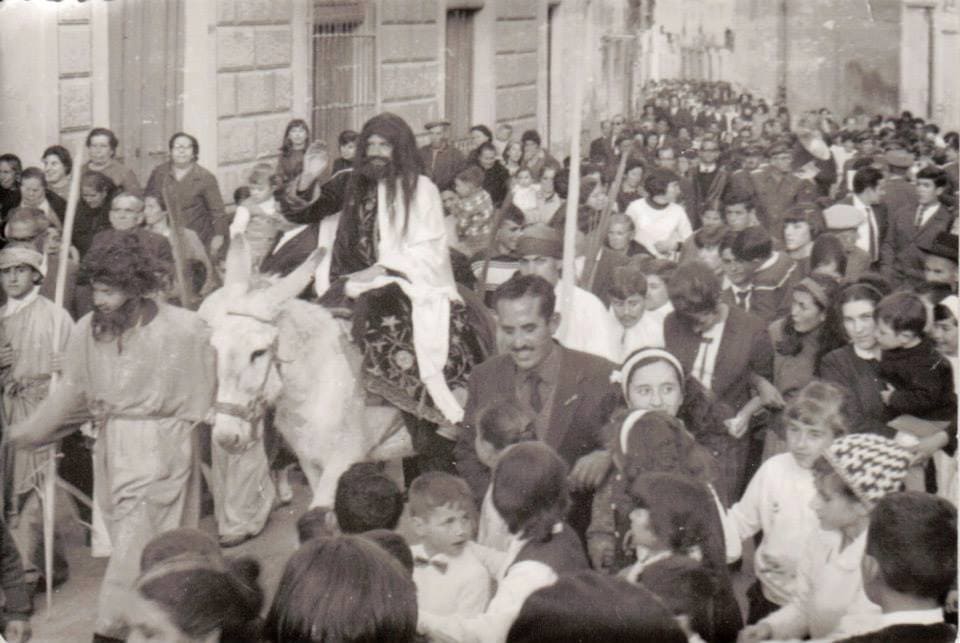
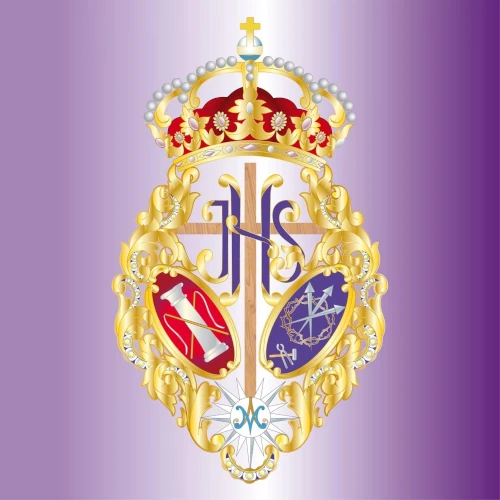
Real Ilustre y Muy Venerable Cofradía de Ntro. Padre Jesús Nazareno, Stmo. Cristo de la Misericordia, Ntro. Sr. Amarrao a la Columna y María Stma. de la Estrella
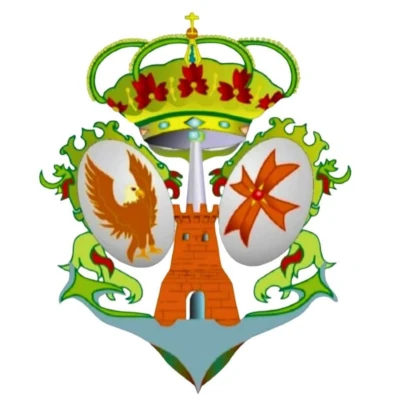
Real Hermandad de San Juan Evangelista, Nuestra Señora de La Esperanza, Santas Mujeres, Verónica y María Magdalena y Santísimo Cristo de La Salud
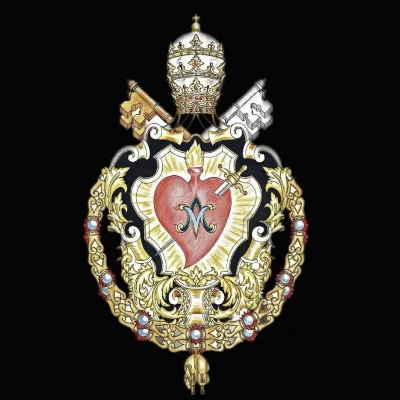
Pontificia y Real Archicofradía de María Santísima de los Dolores
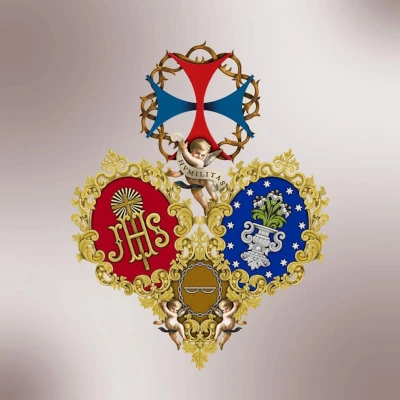
Mayordomía Jesús De La Humildad Y Paciencia
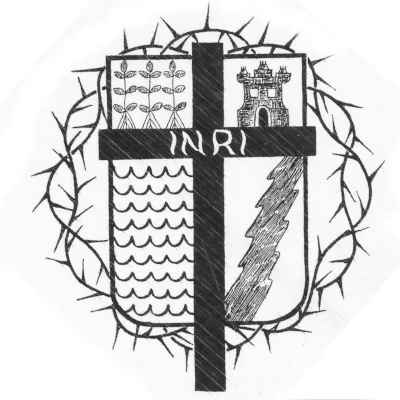
Hermandad Santísimo Cristo Del Perdón Y La Caridad

Hermandad De Nuestra Señora De Las Angustias
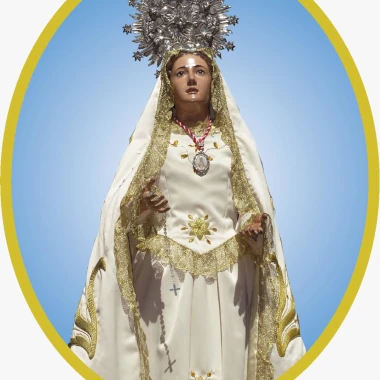
Hermandad de Ntra. Señora de La Soledad Y El Resucitado

Information of Interest
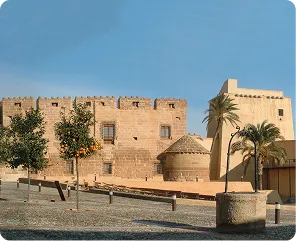
Discover the most special spots in our town: places steeped in history, landscapes that will captivate you, and locations that speak for themselves. From iconic monuments to unique natural landscapes, this guide brings together all the must-see attractions for your visit.