Cofradía
Real Ilustre y Muy Venerable Cofradía de Ntro. Padre Jesús Nazareno, Stmo. Cristo de la Misericordia, Ntro. Sr. Amarrao a la Columna y María Stma. de la Estrella
History and Foundation
Like many others, it was suspended by government order in 1795 until it could prove that its statutes were in order. During the mining boom of the 19th century, it reached its peak. In the 20th century, Infanta María Cristina accepted the honorary presidency, and King Alfonso XIII granted the title of Royal. After the hiatus of the Civil War, the brotherhood was reorganised on 17th April 1947. It was no easy task to get it up and going on again. Even though the image of El Nazareno was the only one that remained, the determination and great devotion to this image meant that the brotherhood began to grow at an extraordinary rate.
It takes part in the penance station on Jueves Santo and on Viernes Santo. However, El Nazareno makes its first processional appearance on Viernes de Dolores.
Ntro. Señor Amarrao a la Columna
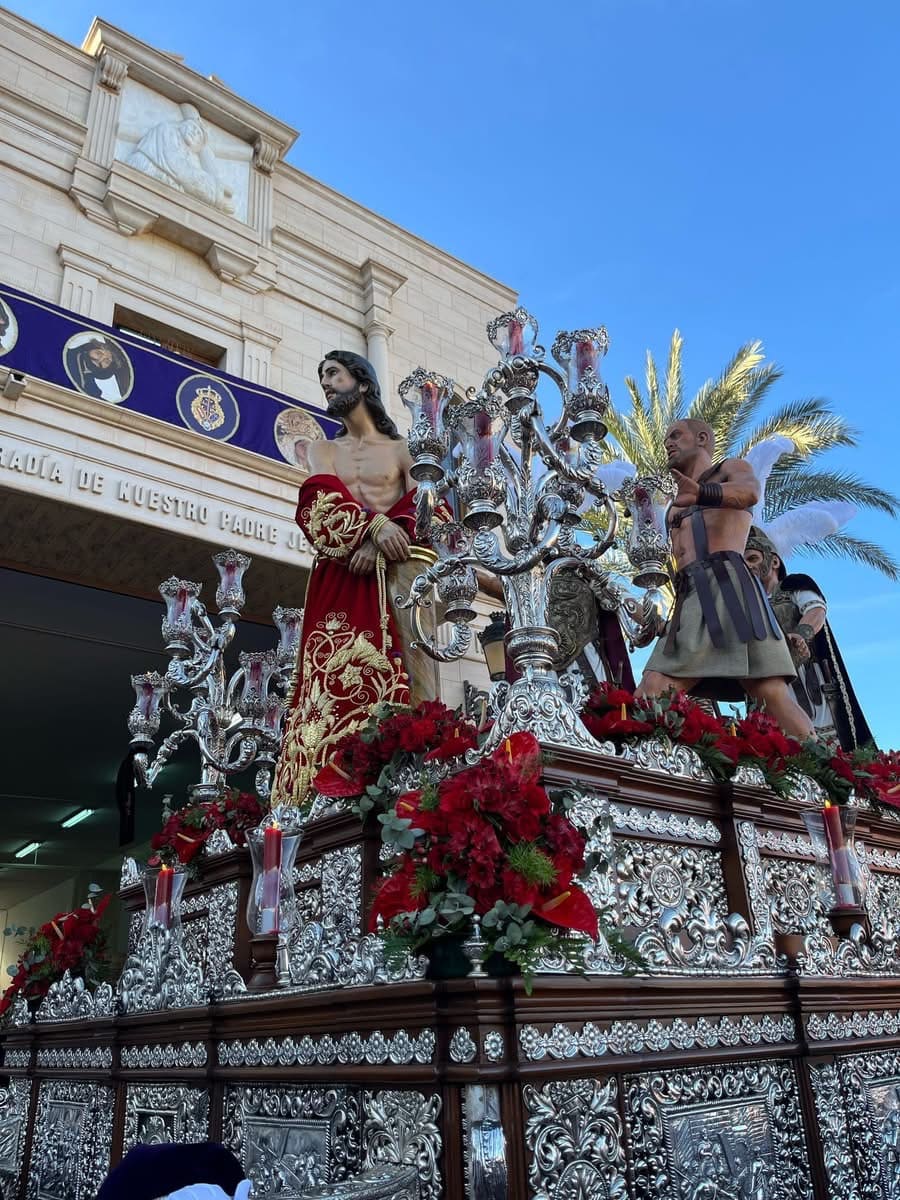
This is a sculptural arrangement that combines the violent attitude of Jesús' captors with his serene gaze. The image is carried on a wooden processional throne decorated with silverwork. The image of El Amarrao is an anonymous 20th-century carving, while the secondary images of the two Romans and the executioner were created by Sergio Jesús Parra Medina in 2011.
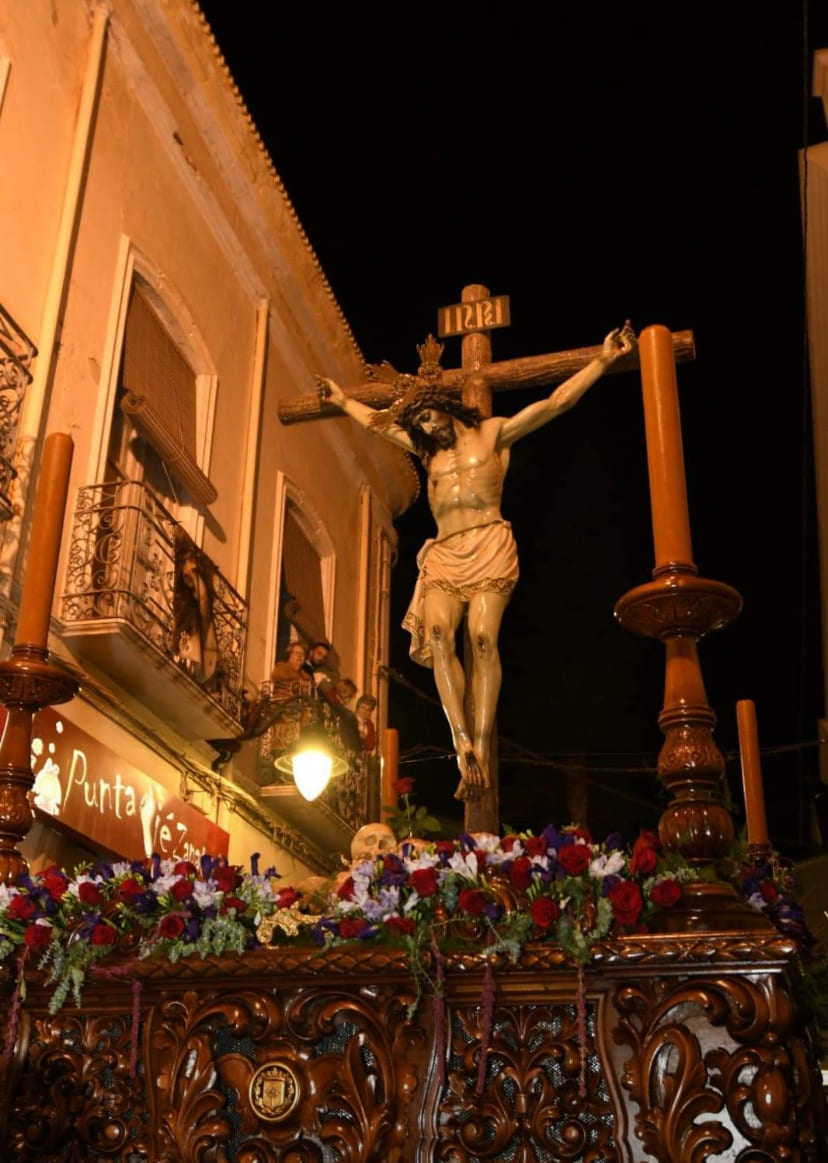
Stmo. Cristo de la Misericordia
It is a sculpture of meticulous proportions, powerful expressiveness and extraordinary finish. It depicts a lifeless crucified figure with closed eyes and a tilted head. It is carried on a carved wooden processional throne by a group of women. The image was created anonymously in 1942.
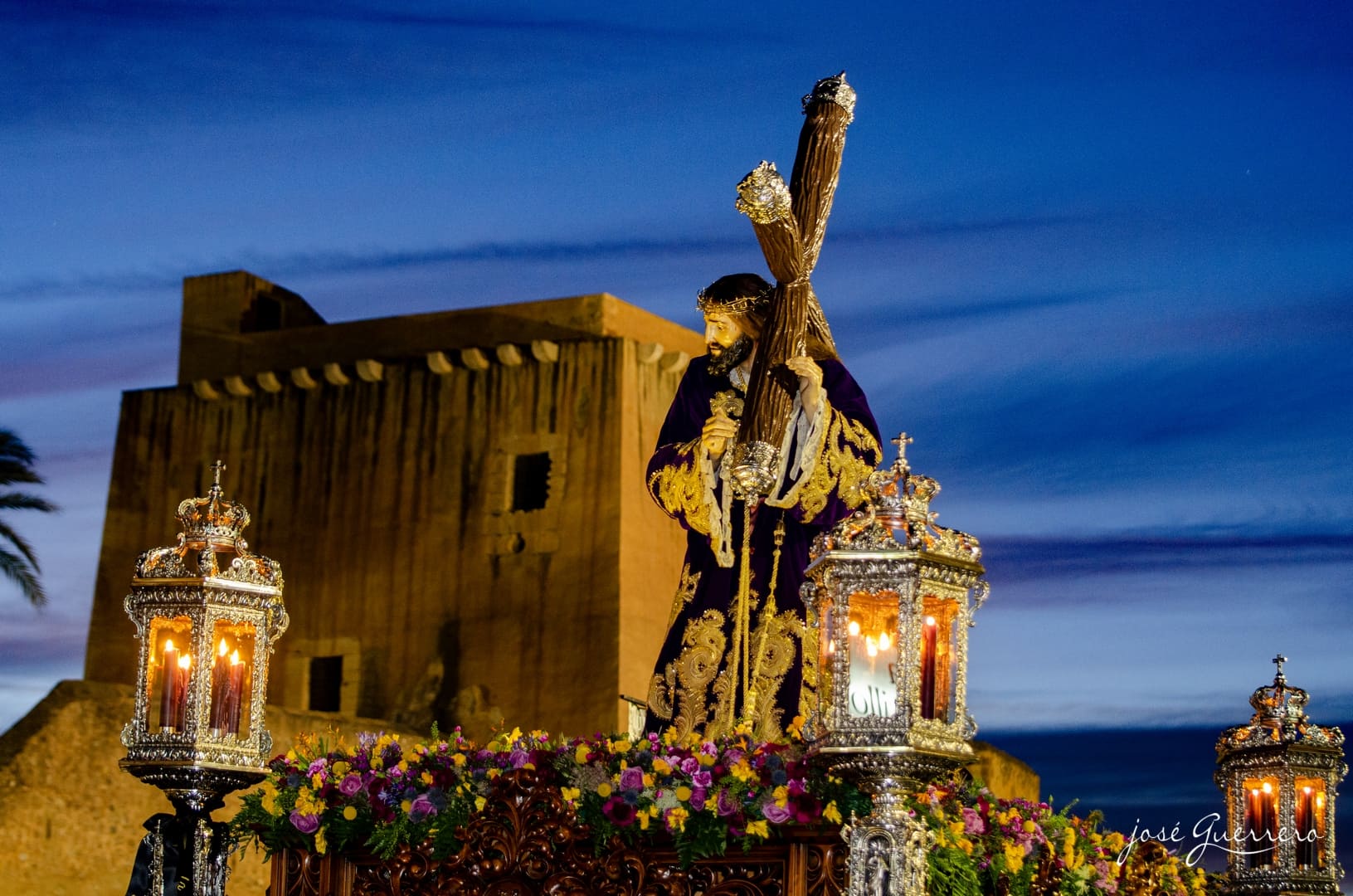
Ntro. Padre Jesús Nazareno
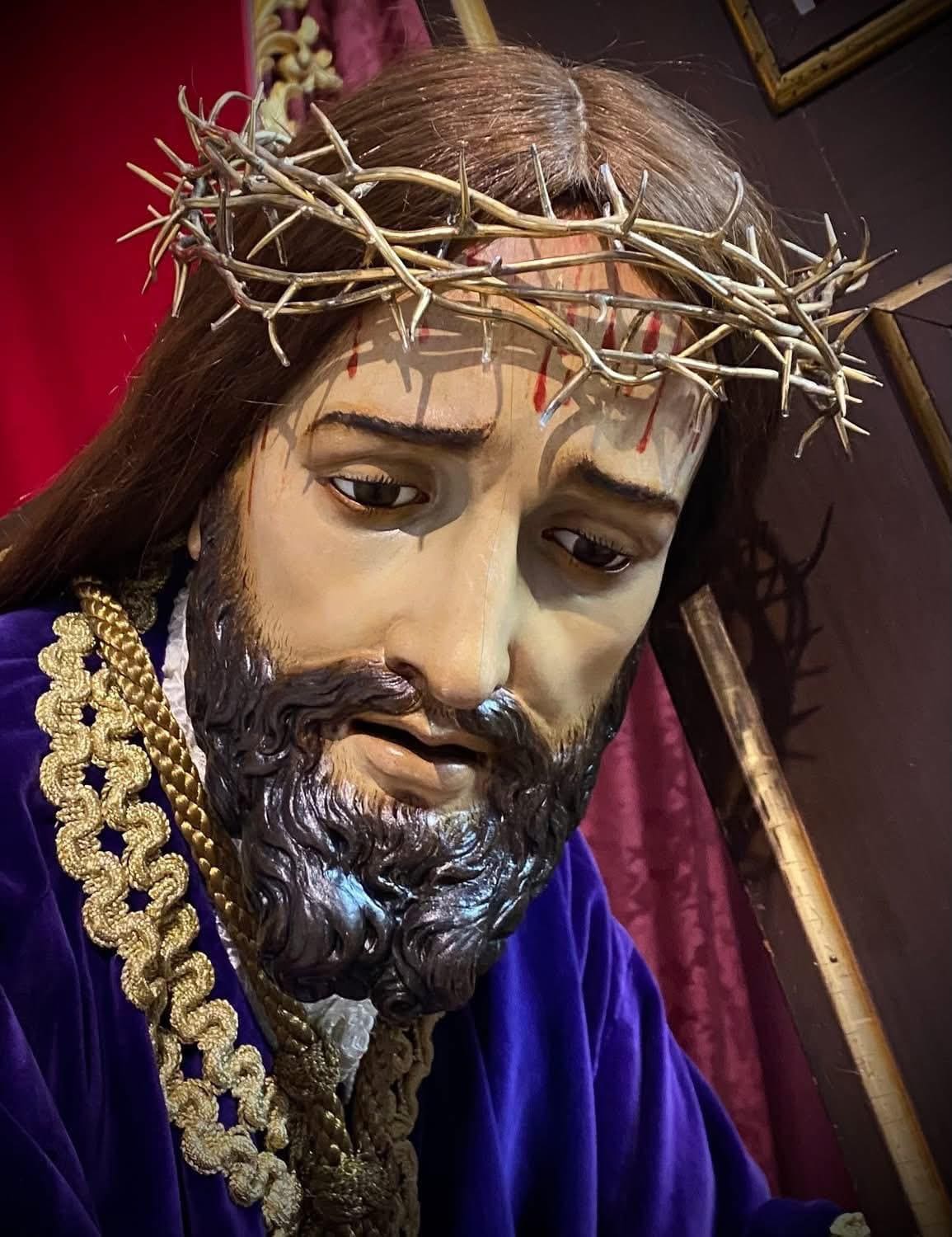
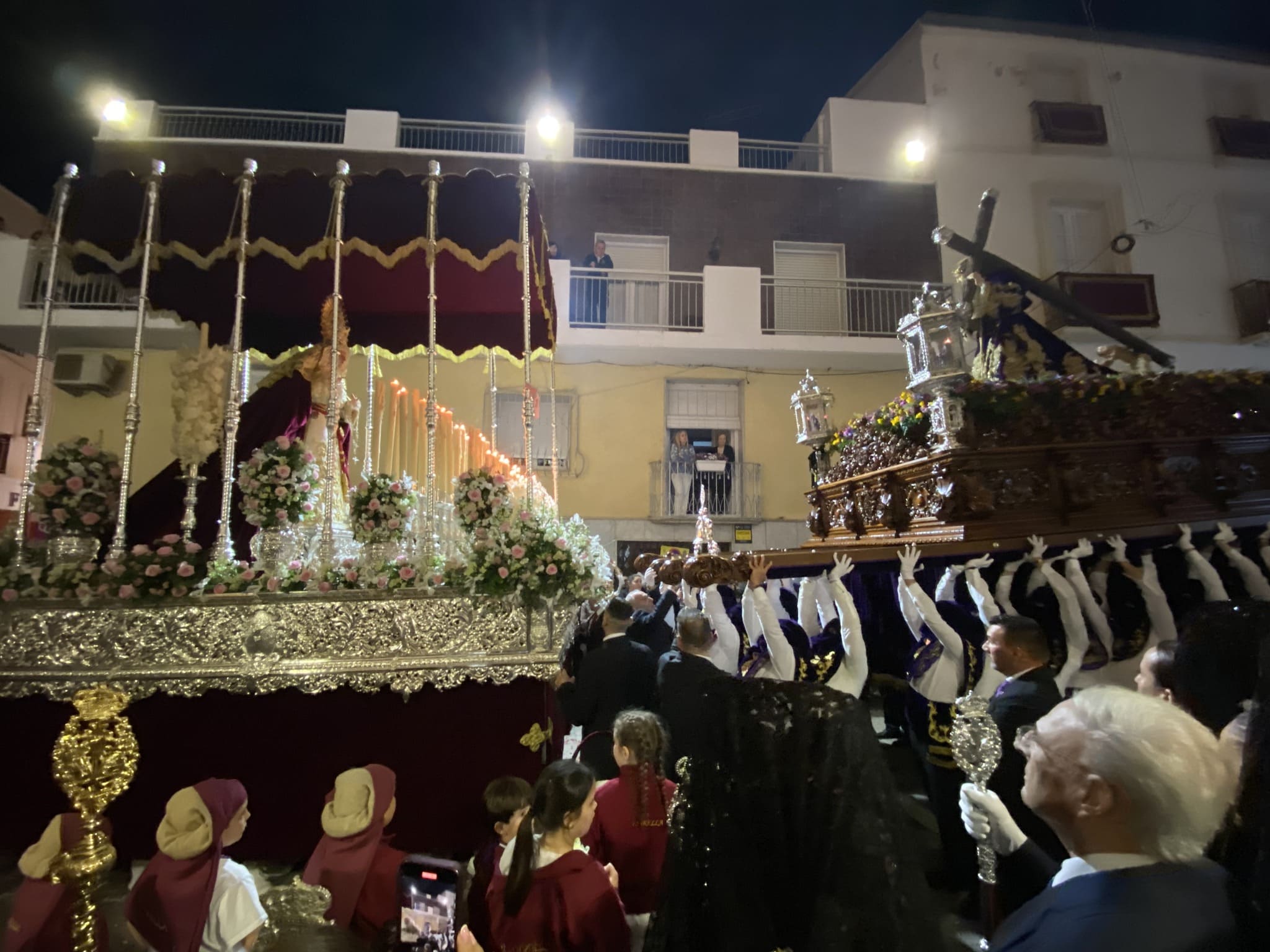
It is a figure dressed in clothing, with the body leaning slightly forward, carrying the cross on his shoulders and his left leg ahead of his right. The serene beauty of his face, his gaze directed towards the ground, and the perfect execution of technique make El Nazareno a work of unquestionable artistic value. Although the author is unknown, it was saved from the war thanks to the protection of the locals, but there are no documents to prove his authorship. Nevertheless, what is truly important is the prominent place it occupies in the religious history of Cuevas del Almanzora. It is carried in procession on a carved wooden processional throne by float bearers.
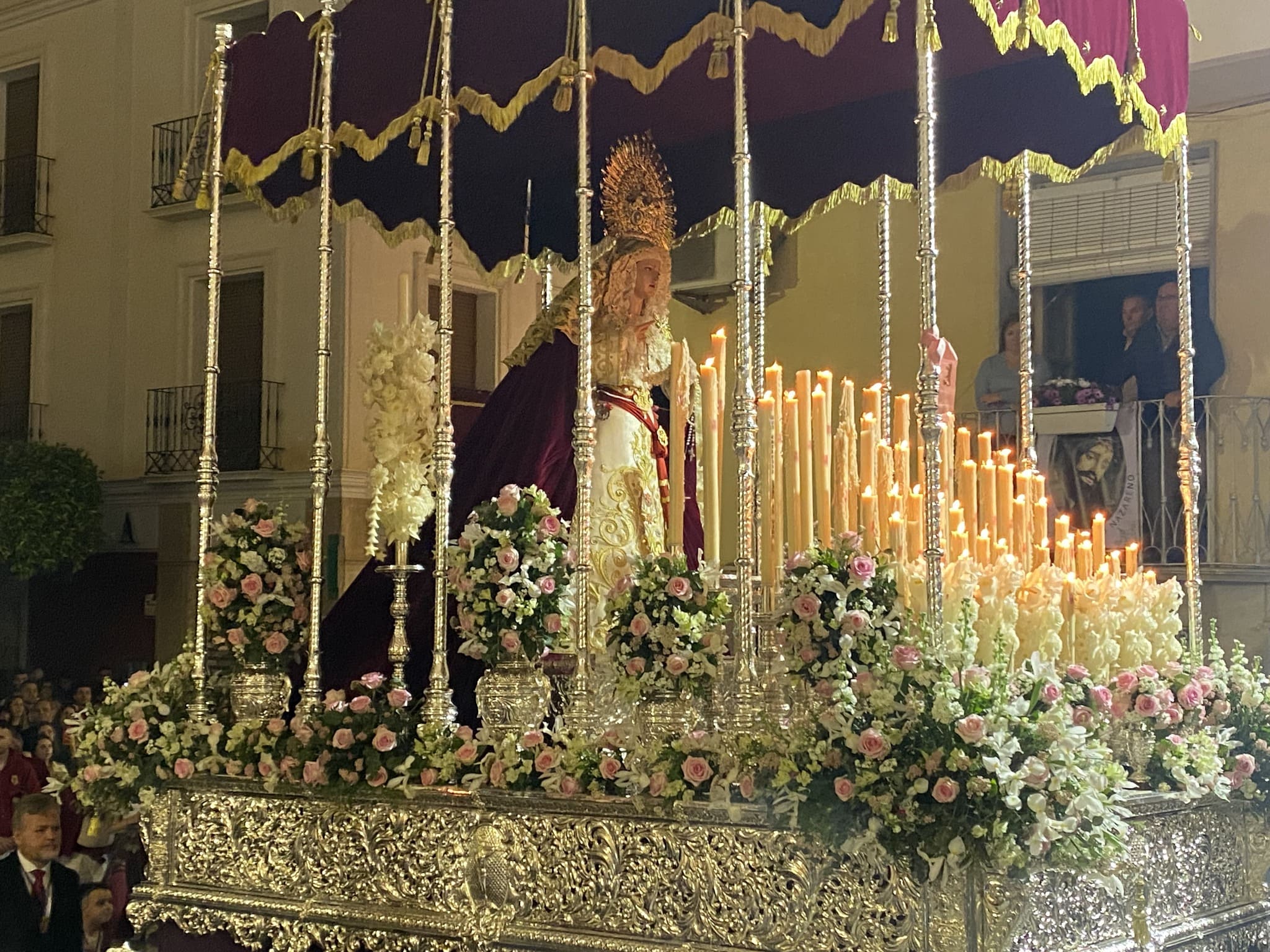
María Stma. De la Estrella
This image is known as a dolorosa, a dress-up image dedicated to the Estrella. It is the most recent addition to the brotherhood. It stands out for its intense blue eyes and the sweetness of its face. The delicate carving and simple expression of its face have made this image very popular among local people in a very short time. It is carried in procession under a pallium on a silver processional throne designed by Salvador de los Reyes, from Malaga. The image is the work of the Seville-based sculptor Rafael Martín Hernández, created in 2017.
Living Biblical Scene: La Judea
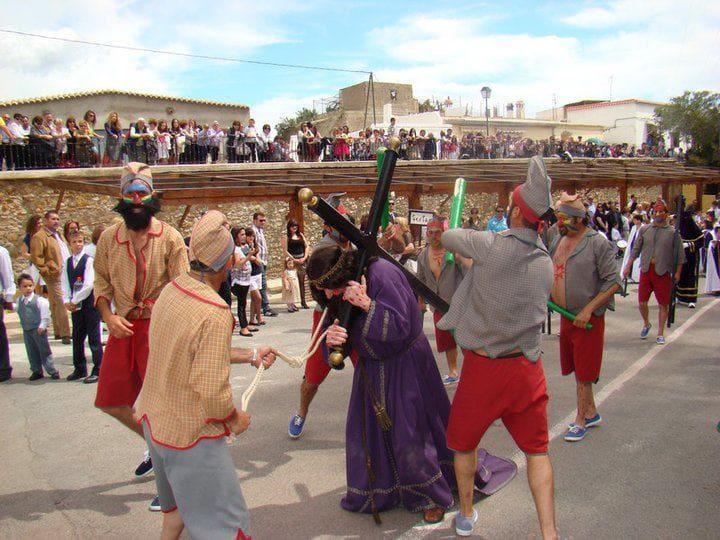
It is a living representation of one of the last episodes of the Passion of Christ, depicting the road to Calvary. It is performed on Viernes Santo morning, with the procession making its way to El Calvario Hermitage, acting out the falls at various points along the route. This paso (icon) is very well known and one of the oldest representations. It is remarkable for having retained its identity over time. Once it reaches El Calvario Hermitage this paso is removed and the Santísimo Cristo de la Misericordia is incorporated into the procession, which was transferred there in the Via Crucis in the late night of Jueves Santo. This indicates that Jesús has already been crucified and has died.
Living Biblical Scene: la Débora y escolta romana
It is a representation of the priestess of Israel, who according to the Bible saved the people. She is depicted as a young woman on horseback, dressed in a long gown embroidered at the edges, with a cloak draped over her shoulders and extending over the horse's back. In her right hand she carries a sword, which rests on her shoulder, giving her an impressive appearance. She is accompanied by a Roman escort dressed in the clothing of the period.
Gallery
Check Out All the Details of the 2026 Holy Week Processional Timetable
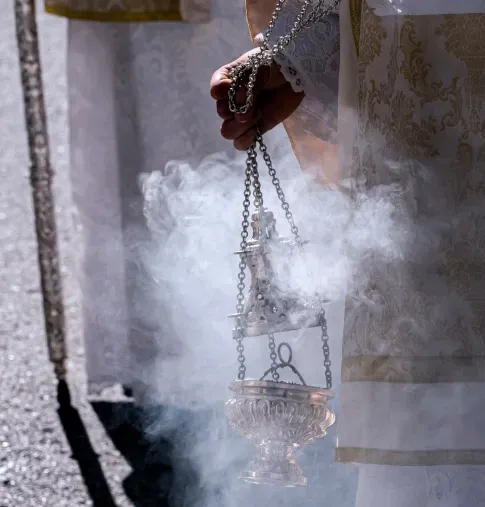
Amidst incense, music and devotion, Holy Week comes to life once again in our streets. Every procession, every detail and every moment have been carefully prepared to ensure you enjoy a unique experience. Discover the history, timetables and everything that awaits you in a celebration that combines faith, culture and tradition.
Get ready to experience Holy Week like never before.